The ecology of the site
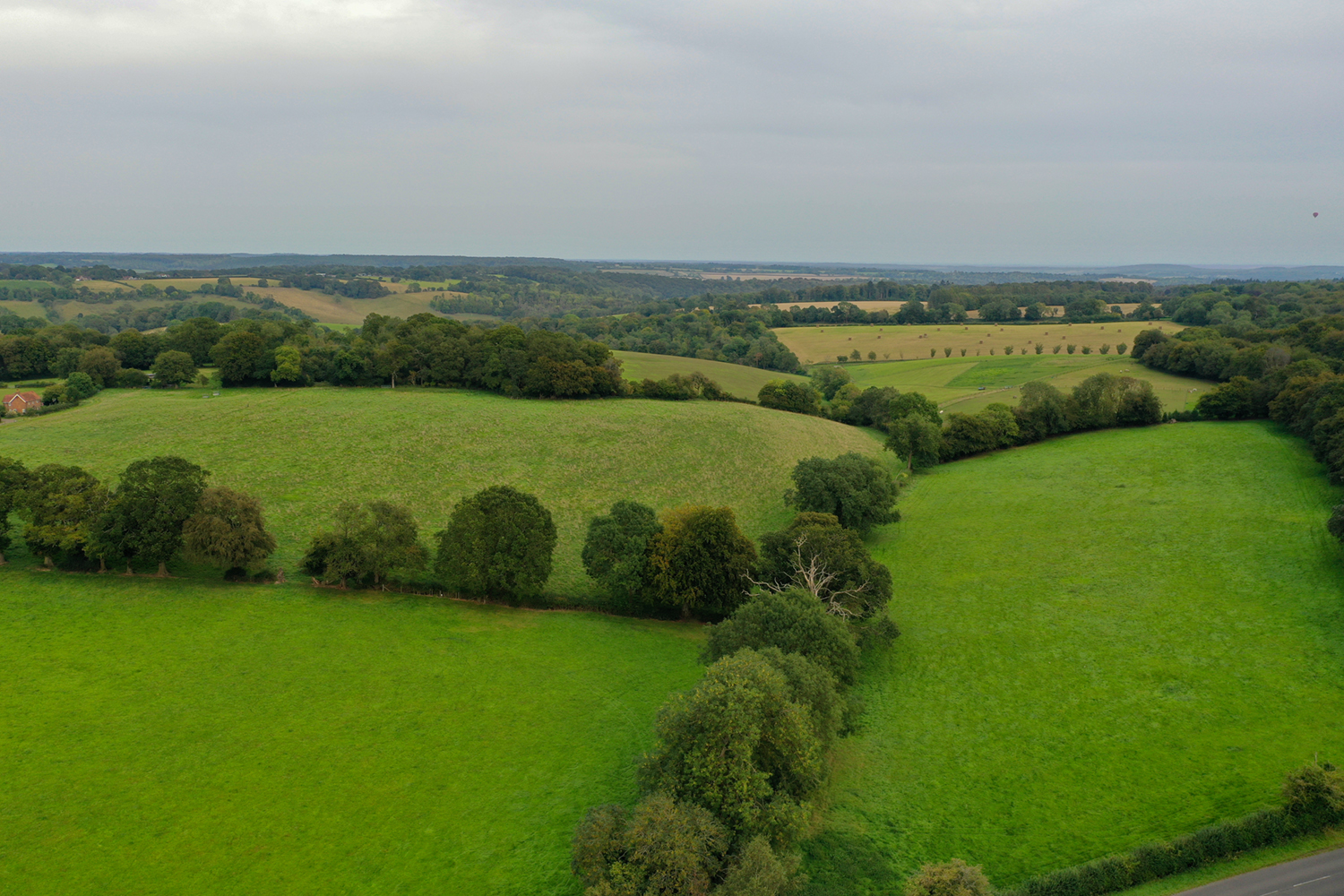
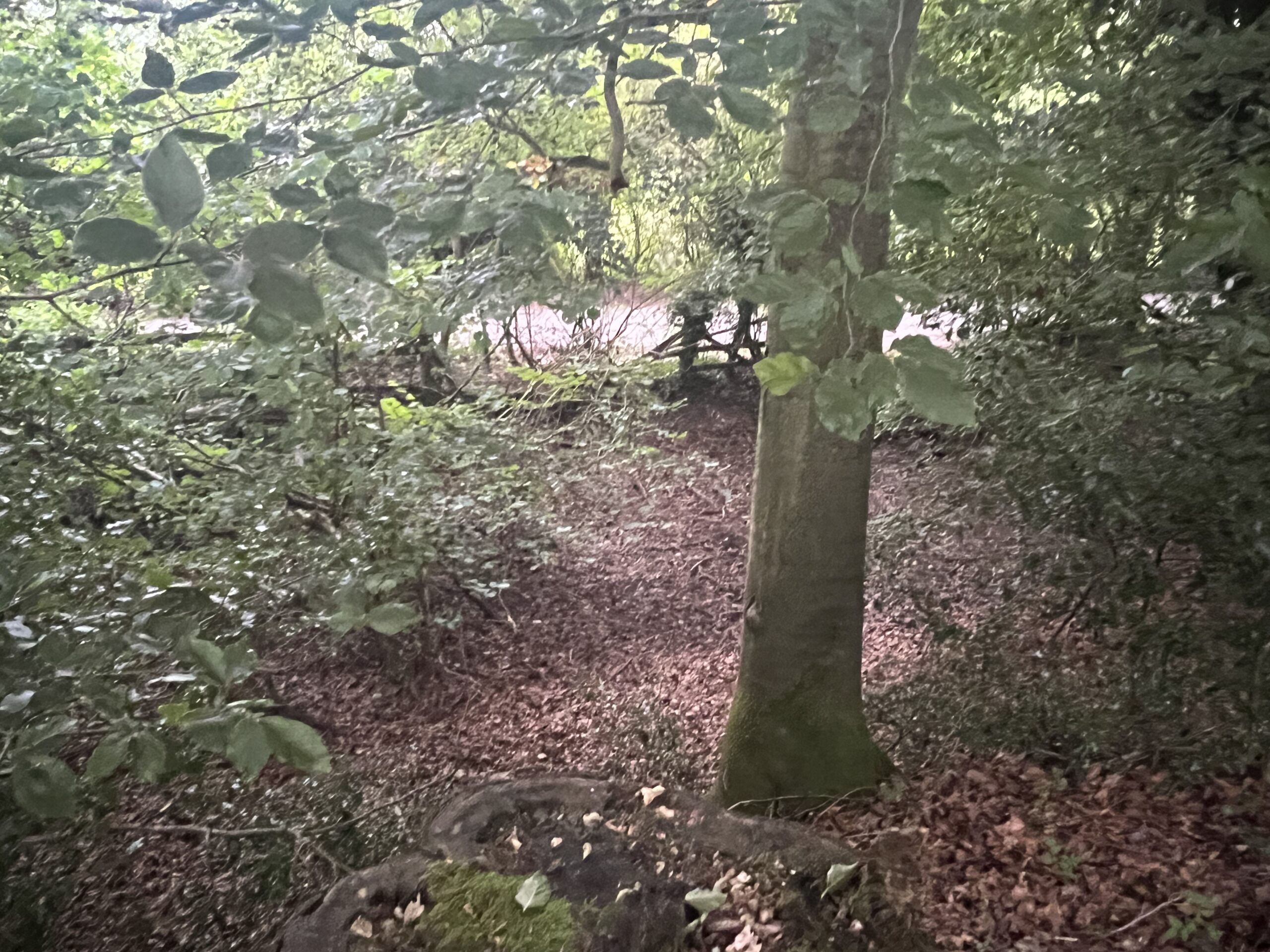
Springalls Plantation is a predominately beech woodland within the Chilterns AONB, with one of the best populations of native bluebells in the area. It has been woodland since at least 1627, according to historical records. In 2013, about one-third of the woodland was selectively felled and still has fine mature trees and a good bluebell population, as do the edges. The central area was clear-felled but is now naturally regenerating into a diverse woodland that supports a range of biodiversity. The adjoining paddock is semi-improved grassland, with mature hedges and trees around the edge, which has most recently been used for grazing horses.
Springalls wood is almost 20 acres of woodland, it forms part of a wildlife corridor linking Nettlebed woods , through to Swyncombe woods and then on towards Christmas common. Nettlebed woods is connected to Bix Woods, Lambridge woods, Greys, the wood at Witheridge hill Kingwood Common, Checkendon woods , Ipsden woods, the Warburg nature reserve and many others. This connectivity between these areas of woodland and pasture is important as it allows the wild animals to forage for food ad raise their young. This habitat is becoming scarce due to the pressure to build , but without these larger areas and connection between them we will lose diversity as suitable habitat becomes fragmented and unsuitable for many of the animals and plants that currently inhabit it.
Wildlife seen in this area include but is not limited to
Fallow deer,
Roe deer,
Hare,
Badgers,
Foxes,
Stoats,
Polecats,
Monjak,
Weasals
Dormice,
Grass snakes,
Slow worms
Lizards,
Violet Heliborine
Common spotted orchid,
Ghost orchid,
Birds nest orchid,
Early purple orchid,
Red kites,
Ravens,
Buzzards,
Sky larks
Bats,
Newts,
Common blue butterfly,
White letter hairstreak